WIC eligibility 2025 is determined by factors such as income, residency, and nutritional risk, requiring specific documents for application, including identification, income verification, and health assessments.
WIC eligibility 2025 is shaping up to be a vital aspect for families relying on nutritional support. Have you wondered if you qualify for these essential benefits? Let’s dive into what changes might be in store.
Understanding WIC and its purpose
The WIC program, which stands for Women, Infants, and Children, plays a significant role in supporting families. It provides crucial assistance to ensure that mothers and young children receive proper nutrition. Understanding WIC is key to making the most of the benefits it offers.
One of the main purposes of WIC is to improve the health and nutrition of low-income pregnant women, new mothers, and their children up to age five. By supplying nutritious foods, education, and health care referrals, WIC aims to reduce infant mortality and enhance overall health outcomes.
Key Benefits of the WIC Program
WIC helps families in several important ways. The benefits include:
- Access to nutritious foods tailored to the needs of mothers and young children.
- Nutritional education to help families make healthy choices.
- Breastfeeding support and resources.
- Health referrals to ensure ongoing medical care.
The WIC program also emphasizes breastfeeding as a vital component of nutrition. Breastfeeding not only provides the best nutrition for babies but also fosters a strong bond between mother and child. Support groups and professional counseling are available to make this journey easier.
Moreover, WIC facilitates access to other services, such as immunizations and health screenings. These supports are essential to help identify any potential health issues early on, leading to better health outcomes for children. By understanding the broad scope of WIC, families can utilize these resources effectively.
The application process can vary by state, but all applicants must meet specific income guidelines. Knowing the eligibility requirements will help families navigate the application successfully.
Eligibility criteria for WIC 2025
Understanding the eligibility criteria for WIC 2025 is essential for families seeking nutrition assistance. The criteria are designed to help those in need gain access to vital resources.
To qualify for WIC benefits, applicants must meet specific guidelines. These guidelines consider family income, residency, and nutritional risk. Families must be residents of the state where they apply and meet the income requirements set by the program.
Income Guidelines
Income is a major factor in determining eligibility. The income limits are based on the number of people in the family. For example:
- A family of four needs to earn below a specified threshold to qualify.
- Income can include wages, pensions, or certain public assistance.
- Anyone on Medicaid or TANF may automatically meet WIC income guidelines.
It’s important to check the current limits and specific thresholds, as they may change annually. Furthermore, families must demonstrate a nutritional need. This is often assessed during the application process.
Nutritional Risk Assessment
Once eligibility is established, a nutritional risk assessment is conducted. This may involve health screenings or nutritional evaluations to ensure that applicants benefit from the program.
Applicants typically must provide identification and residency verification documents, such as utility bills or lease agreements. The entire process is focused on ensuring that families receive the support they need for their growing children.
In summary, being informed about the eligibility criteria for WIC 2025 can significantly impact a family’s ability to access care and resources. Families should prepare necessary documents ahead of time to facilitate a smooth application process.
How to apply for WIC benefits
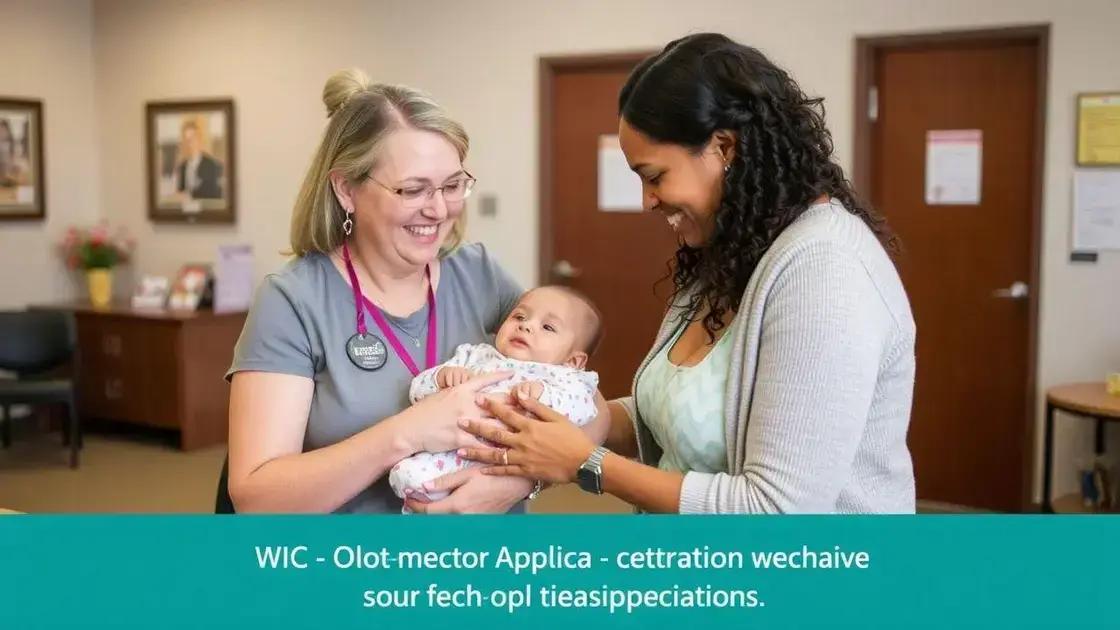
Applying for WIC benefits is a straightforward process, but it requires careful preparation. Knowing the steps involved can help families access vital assistance more easily.
First, ensure you meet the eligibility criteria discussed earlier. It’s essential to have the necessary documents, such as proof of identity, residency, and income. These documents will support your application.
Step-by-Step Application Process
The application process generally includes the following steps:
- Contact your local WIC agency: This will help you find out about the application process specific to your area.
- Schedule an appointment: Once you reach out, set up a time to visit the WIC office. During this appointment, you will complete the application.
- Gather necessary information: Prepare to provide details about your family and financial situation, as well as any health information required.
- Attend your appointment: Bring the necessary documents, and be ready for a nutritional assessment and health screening.
During your appointment, a WIC staff member will evaluate your eligibility based on the information provided. They will also conduct a nutritional risk assessment to determine your specific needs. This assessment is crucial to help make informed decisions about the appropriate benefits you may receive.
What to Expect After Applying
After your application is submitted, you will receive notification regarding your eligibility. If approved, you will be issued a WIC card or voucher to access benefits. Families can use this card to purchase approved foods to support good nutrition.
Keep in mind that WIC benefits are typically renewed every six months. During this period, families must continue to meet eligibility criteria and participate in nutrition education programs. Understanding the renewal process can help ensure ongoing support.
What documents are needed for WIC
When applying for WIC benefits, knowing the required documents is crucial for a smooth application process. Ensuring you have the correct paperwork can make a significant difference.
To qualify for WIC, you will need to present several documents that verify your eligibility. Commonly required documents include:
Identification and Residency Proof
- Identification: This can be a driver’s license, state ID, or any other official identification that includes your name.
- Proof of residency: Documents such as utility bills, rent agreements, or any official mail can be used to show where you live.
Having these documents ready will help speed up the application process.
Income Verification
You’ll also need to provide proof of income. This can include various forms of documentation:
- Pay stubs: Recent pay stubs from all working family members can demonstrate your income.
- Tax returns: Previous year’s tax returns can also be used if pay stubs are unavailable.
- Social Security or Unemployment benefits: Documentation proving current benefits can verify your income.
This information helps determine your eligibility based on income guidelines.
Nutritional and Health Documentation
Additionally, health documentation might be requested during your WIC application:
- Health screening records: These may include recent check-ups, immunization records, or any nutritional assessments.
- Pregnancy verification: For pregnant applicants, a note from a doctor confirming your pregnancy is necessary.
Being prepared with these documents can streamline your WIC application process. Having all necessary paperwork ready will allow you to focus on receiving the valuable support that WIC provides.
Tips for a successful WIC application
Applying for WIC benefits can be a smooth process with the right preparation and knowledge. Following a few simple tips can boost your chances of a successful application.
First and foremost, gather all required documents before your appointment. Having everything organized will save time and reduce stress. Make a checklist of all the necessary paperwork, such as proof of identity, residency, and income verification.
Stay Informed About Eligibility
Understanding the eligibility criteria is essential. Make sure you and your family meet the income guidelines and residency requirements. Familiarize yourself with current requirements by visiting the official WIC website or speaking with local representatives.
Be Honest and Accurate
When filling out the application, provide accurate details about your family and financial situation. Being honest will help avoid delays or complications in processing your application. If you’re unsure about any questions, don’t hesitate to ask for clarification from the WIC staff during your appointment.
Prepare for Your Appointment
It’s important to arrive at your appointment on time. Bring your documents and any additional information that may be relevant to your family’s needs. A friendly and organized approach can create a positive atmosphere, making it easier for your application to be processed efficiently.
After your appointment, keep track of any follow-up steps. You may need to provide additional information or attend a nutrition education session. Staying proactive ensures you will receive benefits in a timely manner. Ultimately, your preparation and attentiveness can lead to a successful WIC application.
WIC provides essential support to families that need nutritional assistance and guidance. By understanding the eligibility criteria, preparing the necessary documents, and following the application process carefully, you can successfully access these benefits. Remember to stay informed and proactive, as this will help ensure that you and your children receive the vital resources necessary for a healthy future. WIC is here to help, so don’t hesitate to reach out and utilize the benefits available to your family.
FAQ – Frequently Asked Questions about WIC Benefits
What is WIC?
WIC stands for Women, Infants, and Children. It is a federal program that provides nutritional assistance to low-income families.
How do I know if I’m eligible for WIC?
Eligibility is based on income, residency, and nutritional risk. Check your local WIC office for specific guidelines.
What documents do I need to apply for WIC?
You will need proof of identity, residency documents, income verification, and health assessments as required.
Can I apply for WIC benefits online?
Application procedures vary by state. Some states allow online applications, while others may require in-person appointments.