GED classes in your area provide structured learning and resources that help individuals prepare for the GED exam, enhancing their chances of obtaining a high school equivalency diploma.
Are you looking for GED classes in your area? You’re not alone! Many people are seeking ways to improve their education and job prospects. Let’s explore how these classes can benefit you and what options are available.
Understanding GED classes and their importance
Understanding GED classes is vital for anyone looking to advance their education and career. These classes provide essential skills needed to pass the GED test, which can lead to better job opportunities and higher earning potential.
What are GED Classes?
GED classes help students prepare for the General Educational Development (GED) test. They cover core subjects like math, science, social studies, and language arts. Many people choose these classes because they didn’t finish high school but want to earn a diploma equivalent. The structured learning environment offers support and resources that can help you succeed.
Benefits of Attending GED Classes
Many benefits come with attending GED classes. Some key advantages include:
- Access to experienced instructors who can answer questions.
- In a supportive environment with fellow learners.
- Structured schedule that can help you stay on track.
- Use of resources like textbooks and online materials.
These classes create a pathway to achieving your educational goals. By taking a step to enroll in classes, you’re investing in your future.
Why is Obtaining a GED Important?
Obtaining a GED is crucial for expanding your prospects. With a GED, you can apply for jobs that require a high school diploma. Furthermore, it opens doors to higher education opportunities.
Many employers value the determination shown by individuals who earn their GED. It demonstrates that you’re serious about your education and career. This may give you a competitive edge over others who do not hold a diploma.
In the long run, completing a GED can significantly impact your life. It enhances your skills and can lead to higher-paying jobs. Many adults find that after returning to school to earn their GED, they feel more confident and empowered in their personal and professional lives.
Finding local GED classes effectively
Finding local GED classes effectively can greatly impact your journey towards earning your diploma. With various options available, it’s essential to know where to start your search and what factors to consider.
Utilizing Online Resources
The internet offers a wealth of information for those looking to find GED classes nearby. Websites like local school districts, community colleges, and adult education centers provide detailed listings. Additionally, many organizations offer resources that can help you locate classes in your area.
Community Centers and Libraries
Your local community centers and libraries can also be excellent starting points. Many of these facilities partner with educational organizations to offer GED classes. You can find flyers or talk to staff members who can direct you to available programs.
When searching for classes, it’s also helpful to consider factors like location, scheduling, and class format. Look for programs that offer flexibility, especially if you have work or family commitments. If you’re unable to attend in-person classes, consider online options that allow you to learn at your own pace.
Ask for Recommendations
Don’t hesitate to ask friends, family, or colleagues if they know of any local GED classes. Personal recommendations can lead you to programs that others have found helpful and effective.
It’s important to take your time to research and explore different options. The right class can set you on the path to achieving your educational goals. By being proactive and seeking out resources, you can find a program that fits your needs.
What to expect from online vs. in-person GED classes
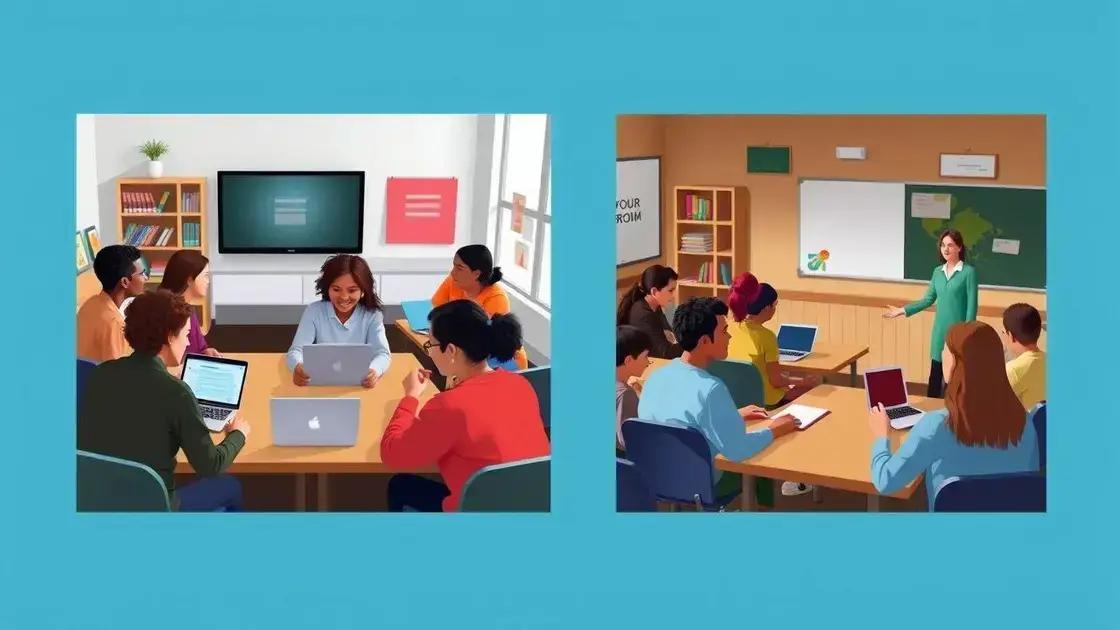
When choosing between online and in-person GED classes, it’s important to understand what each format offers. Each option has unique benefits that can enhance your learning experience.
Benefits of Online GED Classes
Online GED classes provide flexibility for students. You can study from home, which saves travel time and costs. Additionally, many online programs feature:
- Access to resources at any time.
- Ability to work at your own pace.
- Interactive materials that can engage learners.
- Options for live tutoring or forums with instructors.
This format is ideal for those with jobs or family commitments that make commuting difficult. You can schedule your study sessions around your responsibilities, making it easier to fit education into a busy life.
Benefits of In-Person GED Classes
In-person classes also have distinct advantages that can be beneficial. For many, the classroom setting creates a motivating atmosphere. With in-person GED classes, you can expect:
- Direct interaction with instructors for immediate feedback.
- Collaboration and networking with classmates.
- Structured schedules that can boost accountability.
- Hands-on activities that enhance learning.
These classes often include group discussions and activities that foster a sense of community. This environment can be encouraging, especially for those who thrive on personal interaction.
Both online and in-person classes aim to prepare you for the GED test. The choice really depends on personal preference and lifestyle. Consider what kind of learning environment suits you best. Whether you prefer the flexibility of online classes or the structure of in-person sessions, each path offers valuable resources to help you succeed.
Success stories from GED graduates
Success stories from GED graduates can inspire and motivate those considering this path. Many individuals have transformed their lives by earning their GED and pursuing further opportunities.
Real-Life Examples of GED Success
Many people have shared their journeys, illustrating how obtaining a GED changed their lives. For instance, some graduates have gone on to achieve college degrees, while others have secured better jobs. These stories often highlight common themes, such as determination, hard work, and the desire for a better future.
Community Impact
Graduates frequently describe how their achievement positively impacted not only their lives but also their families. Many GED recipients share how earning their diploma set a good example for their children, encouraging them to value education.
- Increased self-confidence in personal and professional lives.
- Improved income and job stability.
- Opportunities for further education and skills training.
- The ability to pursue personal goals and aspirations.
These success stories show that overcoming barriers is possible with commitment and support. Graduates often credit their educational programs’ resources and instructors for their success. By sharing these experiences, more people can understand the benefits of obtaining a GED and the doors it can open.
Encouragement for Future Students
For those thinking about enrolling in GED classes, hearing success stories serves as a powerful motivator. It is a reminder that achieving your goals is within reach. With the right mindset and effort, anyone can change their life.
Tips for preparing for the GED exam
Preparing for the GED exam can feel overwhelming, but with the right strategies, you can boost your confidence and improve your chances of success. Here are some effective tips to help you prepare.
1. Create a Study Schedule
One of the best ways to prepare is by establishing a study schedule. Break down your study sessions into manageable blocks. This will help you stay organized and ensure you cover all subjects:
- Set specific goals for each study session.
- Dedicate time to each subject area.
- Stick to your schedule to build a routine.
Consistency is key when studying for the GED. Regular practice will reinforce your learning and improve retention.
2. Utilize Quality Study Materials
Having the right materials can make a significant difference in your preparation. Invest in reputable study guides, practice tests, and online resources that cover all topics on the GED exam.
Look for resources that include:
- Sample questions and answers.
- Detailed explanations for difficult concepts.
- Practice tests that simulate the actual exam environment.
These tools can help you familiarize yourself with the test format and identify areas that need improvement.
3. Join a Study Group
Joining a study group can provide motivation and accountability. Working with others allows you to share knowledge and learn from different perspectives. You can discuss challenging topics, quiz each other, and share resources.
Moreover, being part of a group can alleviate feelings of isolation while preparing for the exam. Working together creates a support system that can help you stay focused and encouraged.
4. Take Care of Your Health
Your physical and mental health play an important role in your ability to study and retain information. Be sure to:
- Get plenty of sleep before study sessions.
- Eat nutritious meals to fuel your brain.
- Incorporate physical activities to relieve stress.
Taking care of your body can enhance your concentration and overall performance.
With these tips, you can feel more prepared and confident as you approach the GED exam. Positive preparation can lead to positive results.
FAQ – Frequently Asked Questions about GED Preparation
What are the benefits of attending GED classes?
Attending GED classes provides structured learning, access to knowledgeable instructors, and a supportive environment, which can improve your chances of success on the exam.
How should I prepare for the GED exam?
You should create a study schedule, utilize quality materials, join a study group, and take care of your health to ensure effective preparation.
Can I take the GED exam online?
Yes, many states offer the option to take the GED exam online, but you must meet specific requirements and be prepared by studying the appropriate materials.
What subjects are covered on the GED exam?
The GED exam covers four main subjects: Math, Science, Social Studies, and Language Arts, each designed to test high school-level knowledge and skills.